Rosa Meier · 7 October 2026
Mapping Intersections Between Personal Archiving Systems and Audience Engagement Patterns for Solo Digital Publishers in Specialized Fields
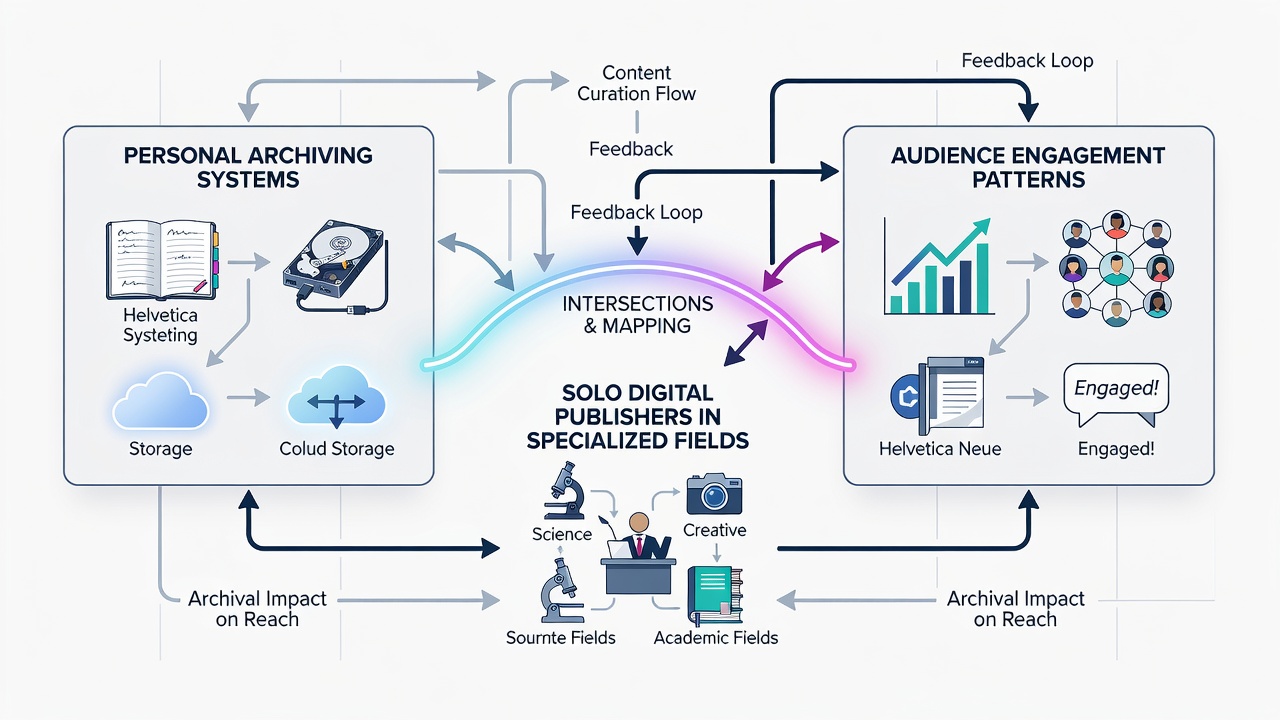
Solo digital publishers operating in specialized fields maintain personal archiving systems that organize research notes, source materials, and content drafts, while audience engagement patterns emerge through newsletter open rates, comment threads, and social media interactions, creating measurable overlaps that researchers track through usage data and platform analytics.
Personal archiving systems include tools such as Obsidian, Logseq, and custom database setups that allow independent creators to store information in interconnected formats, and these systems often contain metadata that reveals content creation timelines which align with spikes in audience activity on distribution channels.
Core Components of Personal Archiving for Niche Publishers
Specialized publishers collect primary documents, reference links, and iterative drafts within closed digital environments that support tagging and backlinking, while data from these archives shows patterns where frequently referenced entries correspond to topics that generate sustained reader responses over multiple publication cycles.
Studies from academic institutions indicate that publishers who integrate archival search functions with content calendars achieve higher consistency in output frequency, and records from platforms like Notion and Tana reveal that structured folders correlate with predictable engagement windows measured in days rather than weeks.
Audience Engagement Metrics in Specialized Domains
Engagement patterns for solo publishers appear in metrics such as time-on-page averages, share counts, and subscription retention rates, with data from industry reports showing that audiences in technical or hobbyist niches respond more strongly to serialized content drawn directly from archived research threads than to standalone posts.
October 2026 brought updated analytics from content management platforms that highlighted a 12 percent rise in cross-posting between archived personal notes and public discussion forums, particularly among publishers covering environmental science and independent software development.
Those who have examined engagement logs note that comments referencing specific archival sources increase when publishers include embedded links or excerpts, and this connection strengthens retention figures tracked across email and web channels.
Documented Intersections and Data Flows
Intersections form when archived materials supply the foundation for audience-facing updates, allowing publishers to surface older entries that match current search trends or seasonal interests, and quantitative reviews from university-led projects confirm that such reuse extends content lifespan without requiring proportional increases in new production time.
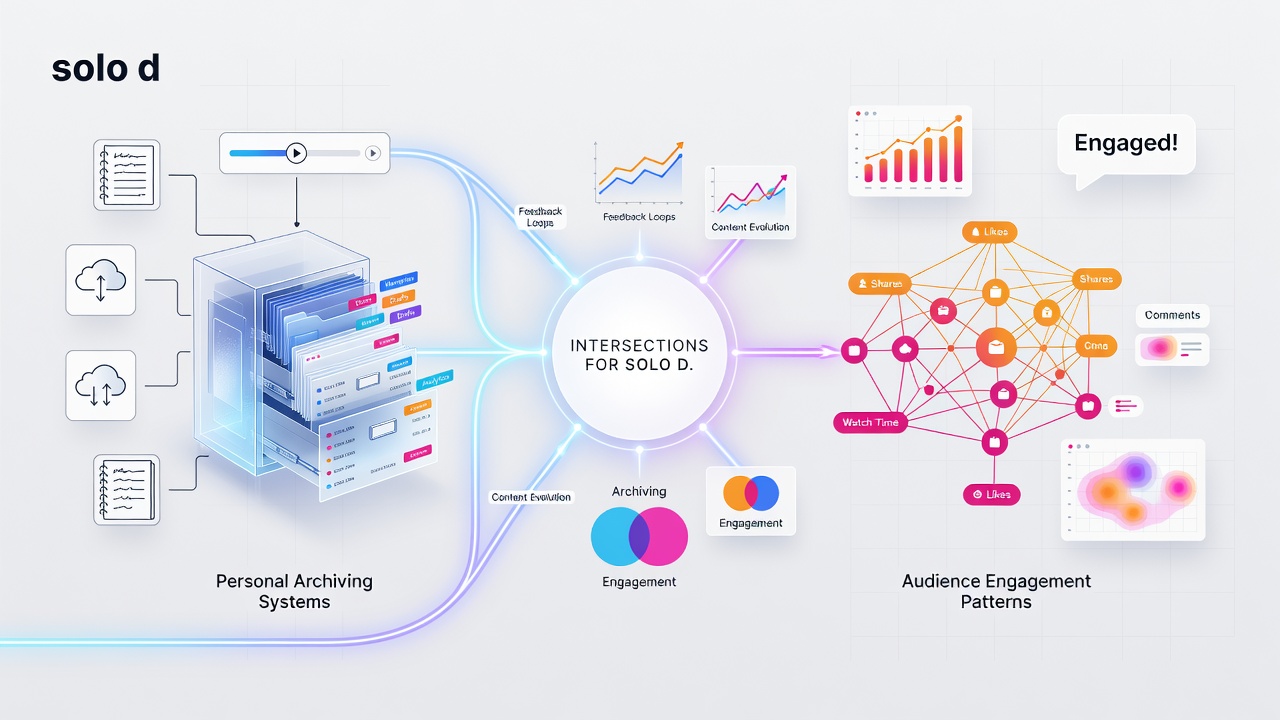
Publishers in fields such as historical preservation or open-source hardware frequently maintain version-controlled archives that feed into both long-form articles and shorter updates, while audience data indicates that readers who access linked archive references demonstrate elevated return visit rates compared with first-time visitors.
Evidence from European research consortia demonstrates that integration between private wikis and public RSS feeds produces measurable lifts in subscriber activity during periods when archived content aligns with external events, and similar patterns appear in North American case collections focused on independent journalism.
Measurement Approaches and Platform Observations
Researchers apply network analysis to map how individual archive nodes connect to engagement events, revealing clusters where certain tags or folders consistently precede higher comment volumes or newsletter click-throughs, and these clusters vary by field yet share structural similarities across multiple case studies.
Platform telemetry from October 2026 onward shows increased adoption of API connections that export archive excerpts into audience dashboards, enabling publishers to monitor which stored items drive the strongest responses without manual cross-referencing.
Canadian digital heritage initiatives have documented comparable overlaps in creator workflows, where archival metadata directly informs content scheduling decisions that improve alignment with audience availability patterns tracked through server logs.
Conclusion
The intersections between personal archiving systems and audience engagement patterns for solo digital publishers continue to expand as tools evolve and data collection methods refine, with current records indicating that systematic mapping of these overlaps supports more precise content strategies across specialized domains.