Rosa Meier · 23 September 2026
Analyzing Content Distribution Channels for Independent Digital Creators in Niche Markets
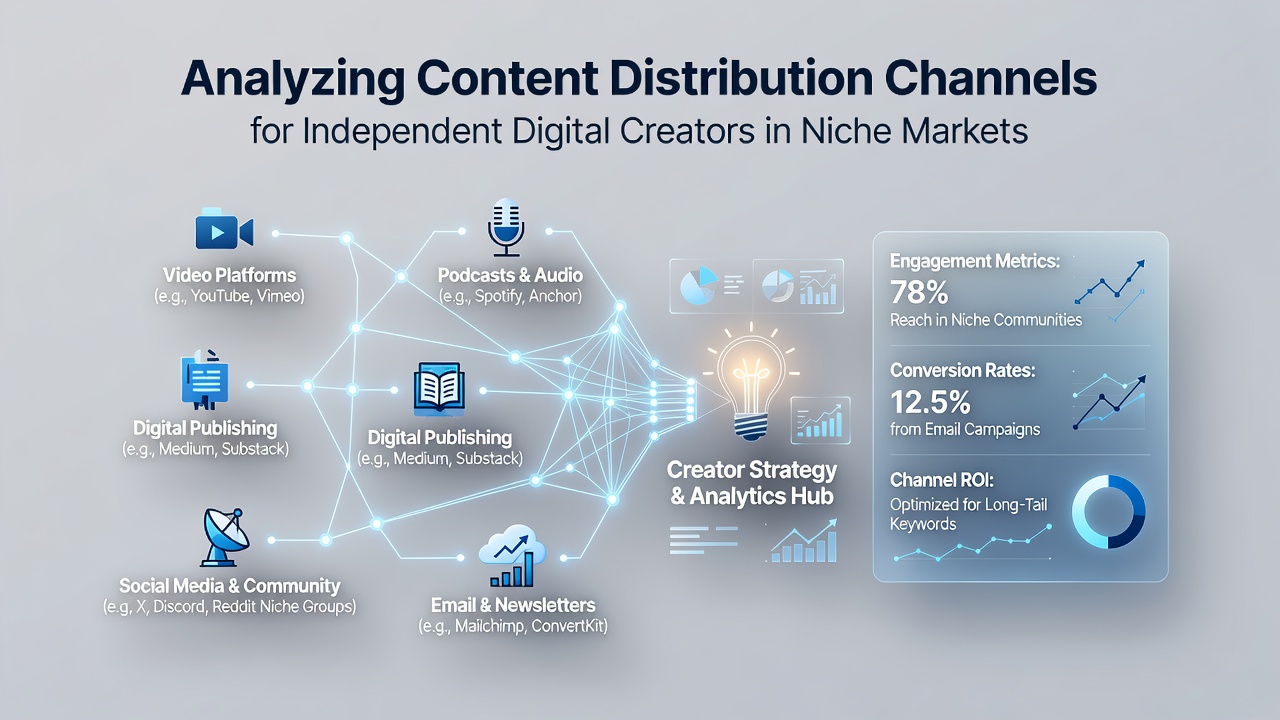
Independent digital creators working within niche markets select distribution channels based on audience behavior patterns and platform mechanics, and research from multiple studies shows that email newsletters, specialized forums, and targeted social platforms deliver measurable reach when matched to content type. Data collected across creator surveys in 2025 indicates that direct channels such as owned websites and subscriber lists maintain higher retention rates compared with algorithm-dependent networks, while hybrid approaches combining short-form video clips and long-form written updates allow creators to test engagement before committing resources to full campaigns.
Platform analytics tools provide creators with metrics including open rates, click-through percentages, and share velocity, and observers note that these figures help identify which channels convert casual viewers into repeat consumers within hobby-specific communities such as vintage watch collecting or urban beekeeping. In September 2026 several major platforms introduced updated creator dashboards that display cross-channel performance side by side, enabling quicker adjustments to posting schedules and content formats without requiring external software subscriptions.
Primary Distribution Channels and Their Characteristics
Creators distribute material through owned media such as personal websites and email lists, earned media via mentions in niche podcasts or community roundups, and paid placements on micro-influencer networks, and each route carries distinct cost structures and control levels. Email services report average open rates above 40 percent for segmented lists focused on narrow topics, whereas general social feeds often see visibility drop below 10 percent unless paid amplification is applied. Those who have examined creator income reports find that direct sales links embedded in newsletters generate steadier revenue than ad-supported video views alone, because subscribers already demonstrate interest in the specific subject matter.
Specialized forums and Discord servers continue to serve as reliable hubs for technical discussions and resource sharing, and data from community management platforms shows that posts linking back to longer-form articles receive sustained traffic over multiple weeks. Video hosting sites optimized for niche categories allow creators to upload tutorials that surface in related searches, while audio platforms capture listeners during commutes or focused work sessions, extending reach beyond screen-based consumption.
Methods for Evaluating Channel Performance
Performance evaluation begins with defining clear objectives such as subscriber growth targets or lead conversion goals, after which creators apply consistent tracking codes across all published links. Researchers at academic institutions have developed frameworks that combine quantitative metrics like session duration with qualitative feedback gathered through comment analysis and poll responses, producing a fuller picture of audience alignment. Tools provided by platform operators display real-time data on geographic concentration and device usage, allowing creators to prioritize channels that match the daily habits of their core demographic.
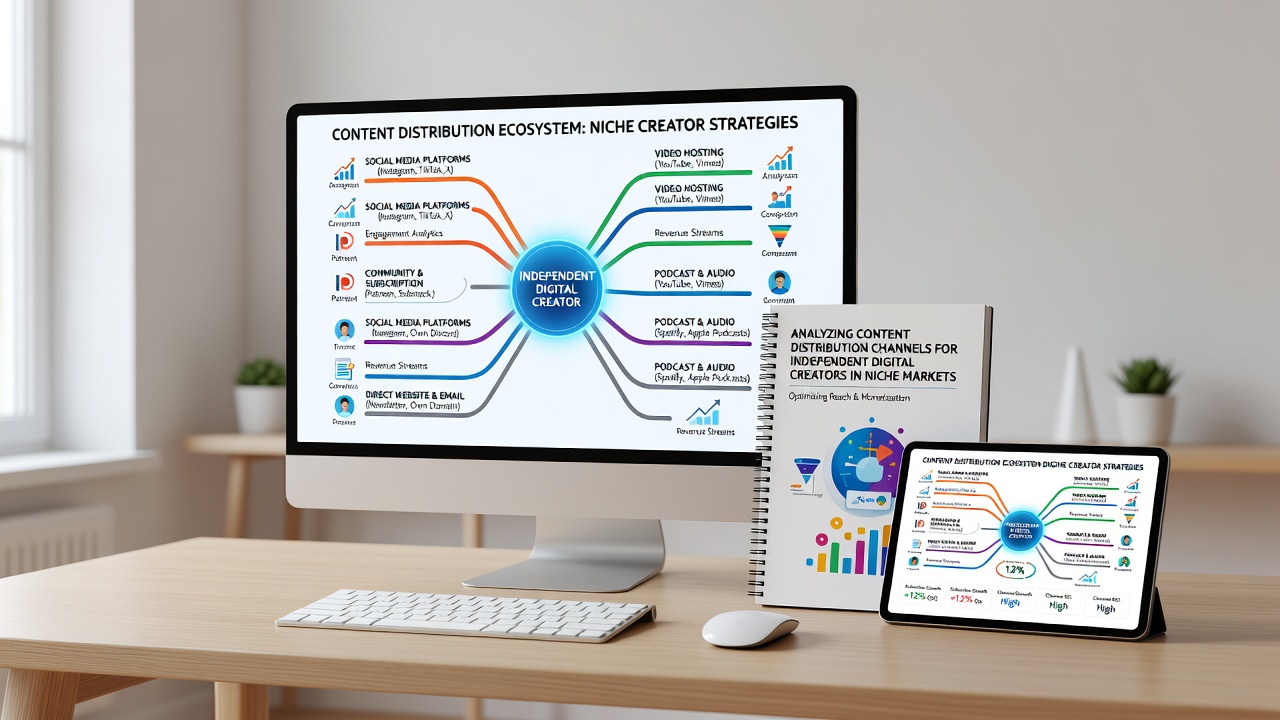
Comparative studies conducted by European research consortia reveal that creators who rotate content formats across three or more channels achieve broader discovery than those relying on a single outlet, because each platform surfaces material through different recommendation systems. Regular audits of referral sources help isolate which communities drive qualified traffic, and adjustments to posting frequency follow directly from those findings rather than from generalized best-practice lists.
Case Examples from Specialized Markets
One group of creators focused on experimental photography documented their workflow across a personal blog, a closed membership site, and a public short-video feed, and internal records indicate that the membership tier retained 78 percent of participants after six months while the public feed expanded awareness to adjacent hobby groups. Another set of independent writers covering regional folklore traditions combined serialized email chapters with audio narration uploads, resulting in cross-promotion that increased both list size and download numbers within the same quarter.
Trade associations tracking independent publishing note that creators who maintain active presence in two or three language-specific communities often observe steadier engagement during seasonal topic spikes, because localized channels respond faster to culturally relevant events. These patterns emerge consistently across reports compiled by organizations monitoring digital content flows in North America and the Asia-Pacific region.
Regulatory and Platform Developments Affecting Distribution
Updated data protection guidelines issued by regulatory bodies in Canada and Australia require clearer consent mechanisms for subscriber lists, and creators adapting their signup flows report minimal disruption when they provide granular preference options at the point of collection. Platform policy changes scheduled for late 2026 emphasize transparency in algorithmic ranking, which may alter how niche content surfaces in discovery feeds and prompt creators to diversify beyond any single recommendation engine.
Industry reports from the OECD highlight that small-scale creators benefit from standardized metadata practices that improve interoperability between content management systems and distribution services, reducing the manual effort needed to repurpose material for different formats. Compliance with these evolving standards supports sustained visibility without additional marketing expenditure.
Conclusion
Analysis of distribution channels for independent creators in niche markets centers on matching platform features to audience routines while tracking performance through integrated analytics, and ongoing platform updates scheduled through September 2026 continue to influence how material reaches targeted viewers. Creators who apply systematic measurement across owned, earned, and shared channels maintain clearer visibility into growth drivers and adjust strategies based on concrete referral and engagement data. Continued observation of regulatory shifts and technical standards supports informed decisions about resource allocation across the available options.